
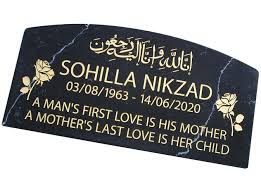
Commemorative plaques are more than just decorative items—they serve as tangible reminders of people, events, or achievements that have left a lasting impact. From historic landmarks to personal celebrations, these plaques play a vital role in preserving history and honoring special moments.
What Are Commemorative Plaques?
A commemorative plaque is typically a flat plate, often made of materials like brass, bronze, stainless steel, or acrylic, which is engraved or printed with text, dates, or images. Their primary purpose is to commemorate a person, event, achievement, or place of significance. They are widely used in public spaces, educational institutions, cultural centers, and private homes.
Types of Commemorative Plaques
- Historical Plaques
These plaques mark locations of historical significance, such as the birthplace of a notable figure or the site of an important event. They are often installed by local councils, heritage organizations, or historical societies. - Memorial Plaques
Designed to honor deceased individuals, memorial plaques are commonly seen in churches, cemeteries, or hospitals. They provide a way for families and communities to remember loved ones permanently. - Corporate and Achievement Plaques
Businesses and organizations often use plaques to recognize achievements, commemorate milestones, or celebrate anniversaries. These can be displayed in offices, lobbies, or meeting rooms. - Custom Commemorative Plaques
Personalized plaques allow individuals to design unique tributes for weddings, birthdays, retirements, or other special occasions. They often include engraved messages, images, or logos Commemorative Plaques.
Materials and Finishes
The choice of material and finish significantly impacts the plaque’s appearance and longevity:
- Brass or Bronze: Offers a traditional, elegant look and is highly durable. Perfect for outdoor installations.
- Stainless Steel: Modern and sleek, resistant to rust, suitable for both indoor and outdoor use.
- Acrylic or Glass: Lightweight and versatile, often used for awards or indoor displays.
- Wood: Provides a classic, warm aesthetic for indoor memorials or office plaques.
Design Considerations
When creating a commemorative plaque, several factors should be considered:
- Text and Font: Clear, legible fonts ensure the message is readable from a distance.
- Size and Shape: Plaque size should suit its intended location; shapes can range from rectangular to custom-cut designs.
- Engraving or Etching: Laser engraving or hand etching provides a lasting finish that withstands the test of time.
- Mounting: Plaques can be wall-mounted, freestanding, or attached to a stone, podium, or memorial surface.
Why Commemorative Plaques Matter
Commemorative plaques serve multiple purposes:
- Preserve History: They act as visual markers that educate the public and maintain historical narratives.
- Celebrate Achievements: From academic honors to business milestones, plaques recognize and celebrate excellence.
- Provide Emotional Connection: Memorial plaques offer a permanent tribute, allowing communities to remember loved ones or significant events.
- Enhance Spaces: Beyond their symbolic importance, plaques can also elevate the aesthetic value of buildings, parks, or institutions.
Conclusion
Commemorative plaques are timeless symbols of remembrance, respect, and recognition. Whether honoring historical events, personal achievements, or loved ones, they capture the essence of what we value and wish to preserve. Choosing the right material, design, and placement ensures that these plaques continue to tell stories for generations to come.